

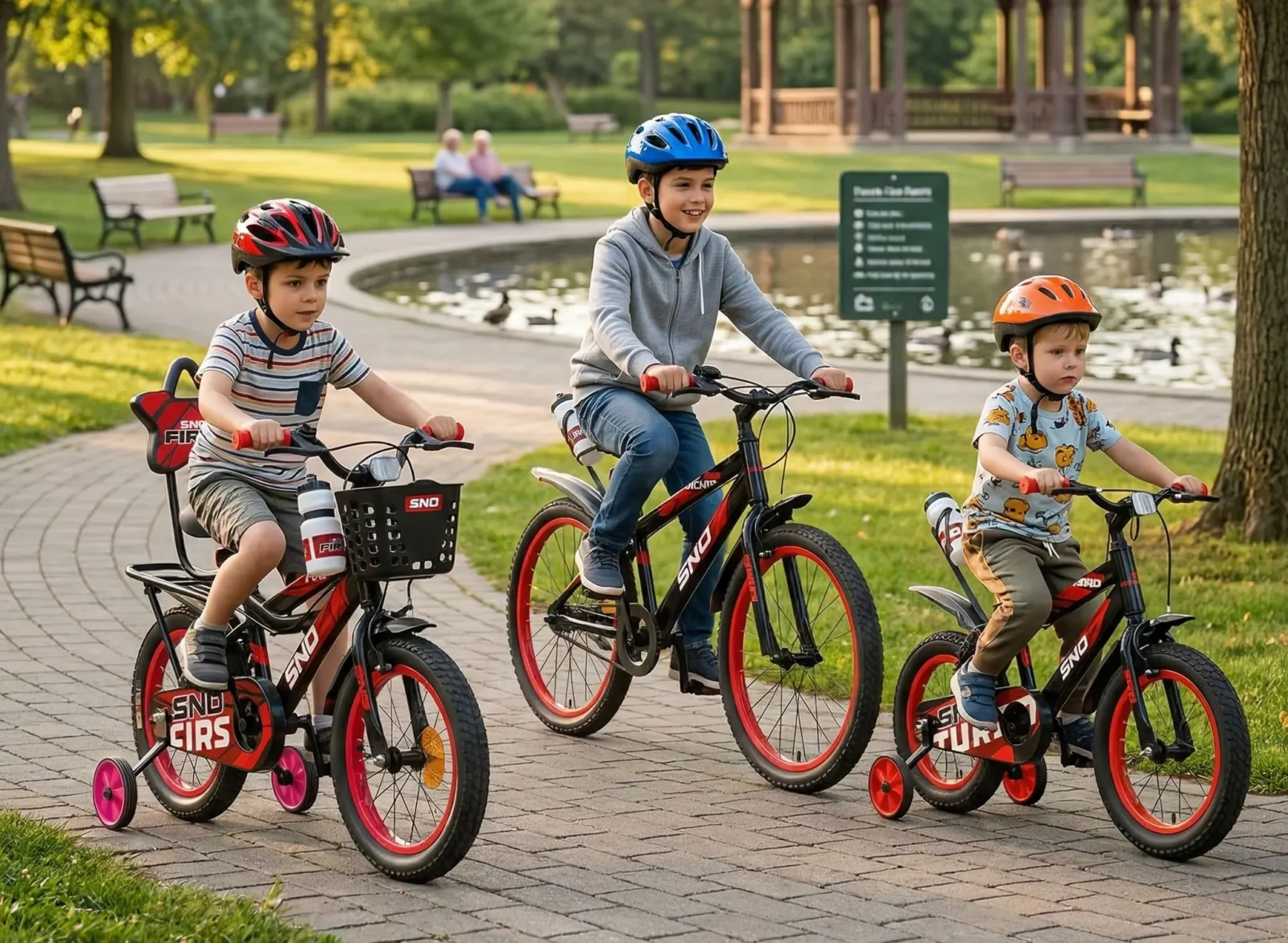
Choosing the right kids bicycle size is one of the most important decisions parents make when buying a cycle for their child. The correct size ensures safety, comfort, and confidence while riding. A bicycle that is too big or too small can make learning difficult and may even increase the risk of falls.
In this guide, we will help you understand how to select the right kids bicycle size, focusing on the three most popular sizes available—14 inch, 16 inch, and 20 inch bicycles.
Why Bicycle Size Matters for Kids
Many parents assume that buying a slightly bigger bicycle will last longer, but this can actually make riding unsafe. The right bicycle size helps children maintain balance, control movement, and ride comfortably.
A properly sized kids bicycle helps:
- Improve riding confidence
- Ensure better balance and control
- Reduce risk of falls and injuries
- Support proper posture
- Make learning easier and more enjoyable
Selecting the correct size allows children to enjoy cycling safely and comfortably.
Understanding Kids Bicycle Sizes
Kids bicycle sizes are measured based on the wheel diameter, not the frame size like adult bicycles. The most common kids bicycle sizes include:
- 14 Inch Bicycle
- 16 Inch Bicycle
- 20 Inch Bicycle
Each size is suitable for specific age groups and height ranges.
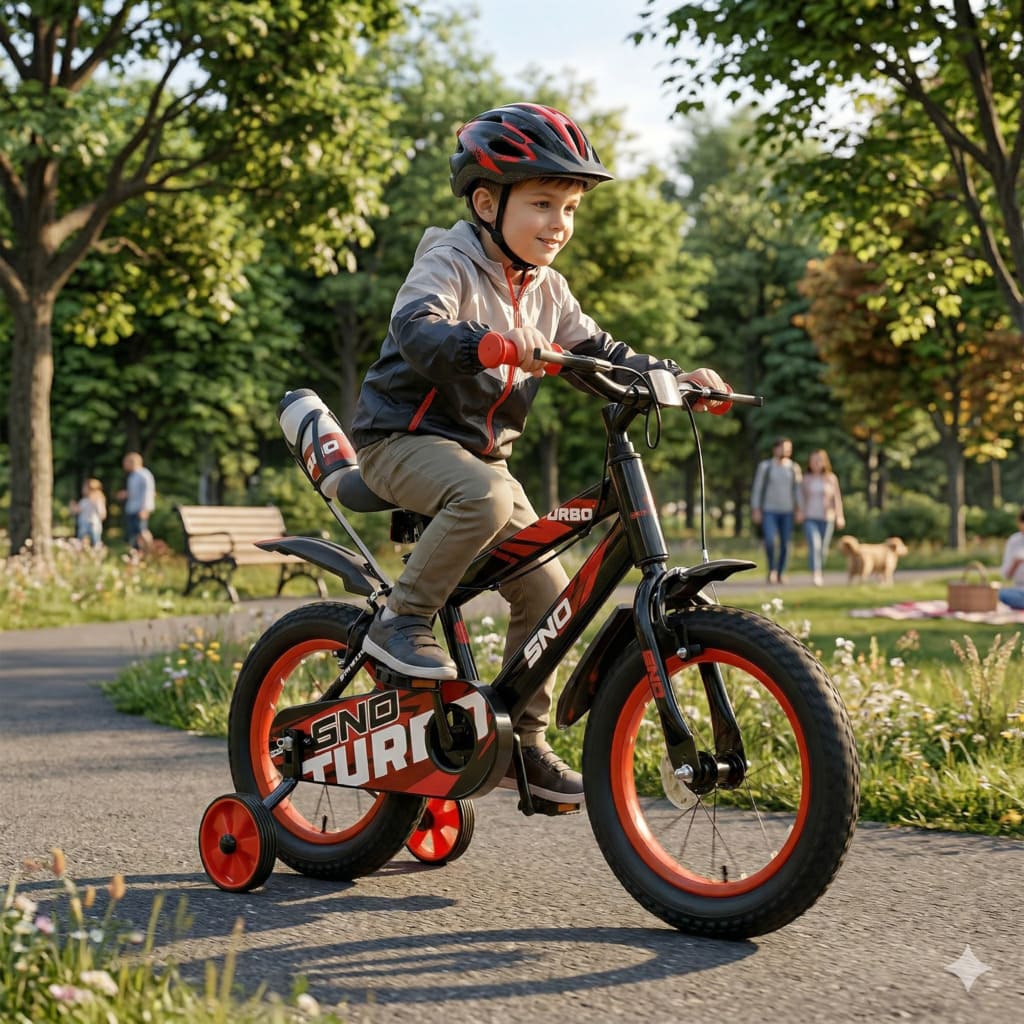
14 Inch Kids Bicycle – Ideal for Beginners
A 14 inch kids bicycle is generally suitable for younger children who are learning to ride for the first time.
Recommended Age Group:
2 to 4 years
Recommended Height:
90 cm to 105 cm
Key Benefits of 14 Inch Bicycle:
- Perfect for beginner riders
- Easy to control and balance
- Lightweight structure
- Suitable for small children
- Helps build early riding confidence
Many 14 inch bicycles also include training wheels, making them ideal for toddlers who are just starting to learn cycling skills.
This size is best for children who are transitioning from ride-on toys to their first bicycle.
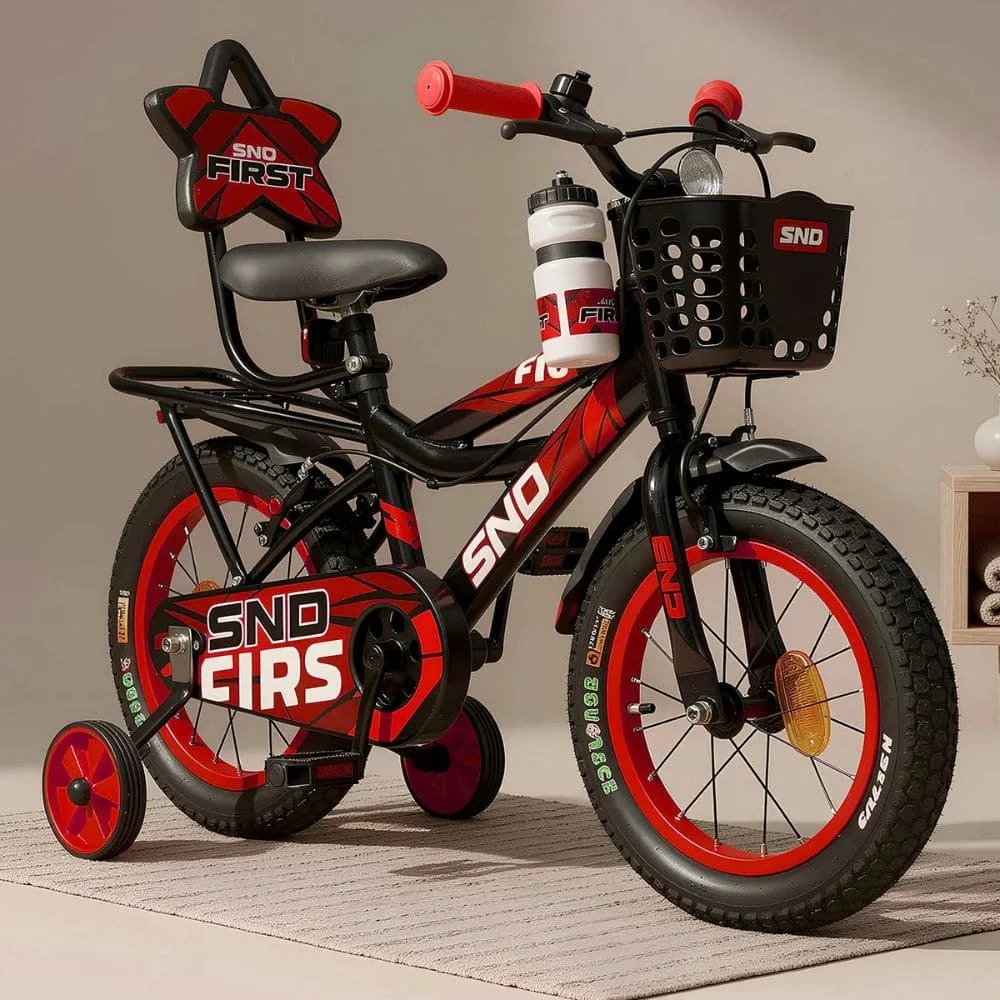
16 Inch Kids Bicycle – Suitable for Growing Riders
A 16 inch kids bicycle is a popular choice for children who have basic riding skills and are ready for slightly bigger bicycles.
Recommended Age Group:
4 to 6 years
Recommended Height:
105 cm to 120 cm
Key Benefits of 16 Inch Bicycle:
- Provides better stability for growing kids
- Suitable for intermediate riders
- Offers improved balance control
- Comfortable riding position
- Often includes adjustable seat height
A 16 inch bicycle supports children who are gaining confidence and want more independence while riding.
This size is often considered the most versatile beginner-to-intermediate option.
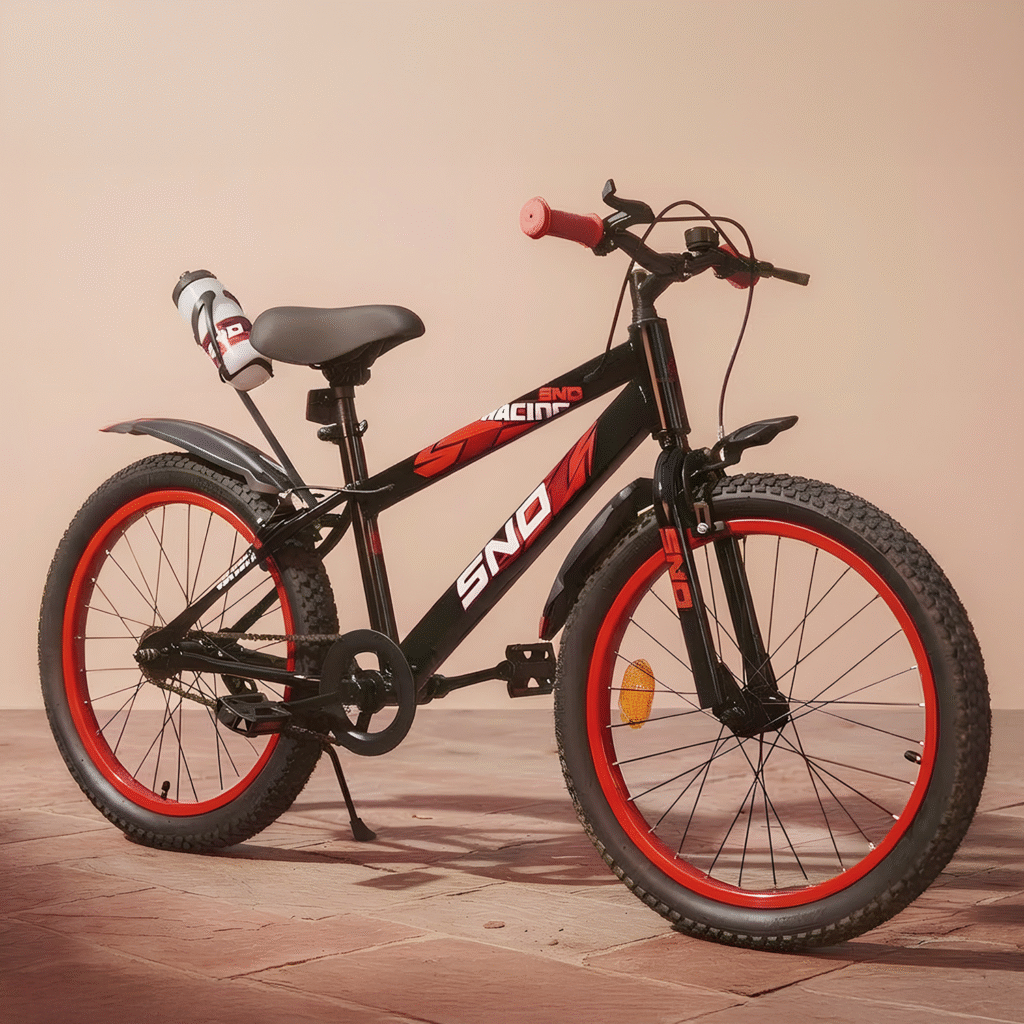
20 Inch Kids Bicycle – Best for Confident Riders
A 20 inch kids bicycle is designed for older children who are comfortable riding independently and require a larger frame.
Recommended Age Group:
6 to 9 years
Recommended Height:
120 cm to 135 cm
Key Benefits of 20 Inch Bicycle:
- Suitable for confident riders
- Provides better speed and balance
- Ideal for outdoor riding
- Supports longer riding sessions
- Often includes advanced features like hand brakes
A 20 inch bicycle allows children to explore longer distances and develop stronger cycling skills.
How to Measure Your Child for the Right Bicycle Size
Before purchasing a kids bicycle, measuring your child correctly ensures better selection.
Step-by-Step Measurement Guide:
- Measure your child’s height while standing straight.
- Check the inseam length (distance from ground to inner thigh).
- Ensure the child can touch the ground with both feet while seated.
- Confirm that the handlebars are easy to reach.
Proper measurements help prevent discomfort and improve riding safety.
Signs That a Bicycle Is the Right Size
You can identify the correct size bicycle if:
- Your child can place both feet flat on the ground
- Knees do not hit the handlebars
- Arms reach handlebars comfortably
- The child can start and stop easily
- Riding posture looks natural and relaxed
If these conditions are met, the bicycle size is suitable.
Common Mistakes Parents Should Avoid
Many parents make sizing mistakes while buying kids bicycles. Avoiding these mistakes improves safety and comfort.
Do not:
- Buy a bicycle that is too large for future use
- Ignore height recommendations
- Choose heavy bicycles for small children
- Skip checking seat adjustment options
- Select size only based on age without height measurement
Choosing the correct size ensures better riding experience.
Tips for Choosing the Best Kids Bicycle
Along with size, several other factors should be considered.
Look for:
- Adjustable seat height
- Strong and durable frame
- Training wheels (for beginners)
- Comfortable handle grip
- Safe braking system
- Lightweight design
These features enhance safety and comfort during riding.
When Should You Upgrade Bicycle Size?
Children grow quickly, so bicycle size upgrades are sometimes necessary.
Consider upgrading when:
- Knees touch handlebars
- Seat height reaches maximum level
- Child feels uncomfortable while riding
- Bicycle becomes difficult to control
- Height exceeds recommended range
Upgrading at the right time ensures continued safety and comfort.
Benefits of Choosing the Correct Bicycle Size
Selecting the right bicycle size offers long-term advantages.
It helps:
- Improve balance and coordination
- Build confidence in riding
- Encourage outdoor activity
- Promote physical fitness
- Support healthy growth
Correct sizing makes cycling enjoyable and safe.
Final Thoughts
Selecting the right size kids bicycle is essential for your child’s safety, comfort, and confidence. Whether choosing a 14 inch bicycle for beginners, a 16 inch bicycle for growing riders, or a 20 inch bicycle for confident cyclists, matching the size with your child’s height and age ensures the best riding experience.
By understanding size differences and measuring your child correctly, parents can make informed decisions that support safe learning and enjoyable cycling. A well-sized bicycle not only improves riding skills but also encourages children to stay active, healthy, and confident.